• I might have overwhelmed Ali at the new Yemeni store in my neighborhood because I had specific instructions on how I wanted the lamb shank I was buying cut. He’s used to roasting the entire leg of lamb, not slicing it in large pieces. I told him I was making a tagine with dates, and he finally understood that an entire leg of lamb won’t fit in my pot. He then started rapping with me about North African food and his English-Yemeni roots, and I now have a new friend who will give me a call when fresh oxtails come in in his store.

    It is important you trim off the excess fat from the lamb shanks before you try this recipe. With the butter and the cooking in high pressure, my lamb was swimming in fat when it was done. Not that there’s anything wrong with that, of course, but your guests may be turned off if there’s too much of the good stuff. When you serve the leftovers the next day–yes, there will be leftovers–you can skim the coagulated fat from the top of the sauce before you heat it up.

    I loved the red potatoes here because they lent the dish a hearty solid. While the lamb meat was falling off the bone, the large potato chunks were perfectly tender to smash into the couscous with a fork.

    Cook your couscous with golden raisins and the sweetness will be a nice addition to the buttery lamb.

    Ingredients:
    lamb shank, most of the fat trimmed, cut in 2 large pieces to fit the pot, about 4 pounds
    6 garlic cloves, minced
    1 tbsp ginger, grated
    1 tbsp paprika
    2 tsps cumin, ground
    2 tbsps butter
    1 large onion, sliced
    small pinch saffron
    1 tbsp tomato paste
    3 red potatoes, quartered
    1 short piece cinnamon stick
    2 tsps ginger powder
    1/2 cup chopped dates
    a handful of parsley, finely chopped
    salt, pepper

    1. Season lamb shanks generously with salt and pepper. In a small bowl, combine garlic, fresh ginger, paprika and cumin, and rub all over shanks. Leave shanks at room temperature to season for at least an hour.
    2. Using the sauté function of your Instant Pot, melt butter. Add onion, saffron, and sprinkle with salt. Cook for 5 minutes, until onions are soft. Stir in tomato paste and cook 1 minute. Add seasoned shanks and let cook with onions, turning occasionally, until meat and onions are lightly browned, about 10 minutes.
    3. Add potatoes, cinnamon stick, ginger powder, chopped dates and water to barely cover to the pot. Cover and lock the lid properly. Select the Pressure Cook function for 30 minutes. When it’s done, do a quick release after venting and letting the steam out. Stir in parsley and serve with couscous.

    Related post/s:
    I have the Instant Pot DUO60 6 Quart, but this is a similar model, just pricier!

  • I couldn’t track as to why the original recipe is called Hawaiian oxtail soup. I gather it’s because it has a combination of different Asian flavors that can’t be defined as coming from one country. I liked that; it’s a mutt of a soup!

    I love the base broth of this recipe. It reminded me of a Taiwanese stew that uses star anise and dried tangerine peels. If you cook enough Asian food, it’s worth drying some tangerine peels when you buy and eat the fruit—they keep for a long time in a sealed jar. If you don’t have them dried, feel free to use fresh ones, just make sure you remove most of the pith.

    The dried shiitakes remind me of Japanese-style hot pot, while the fish sauce, the lime, and cilantro give it a Vietnamese flavor. And perhaps the ginger is a nod to Shanghai.

    Look how pretty everything was before I pressurized it. The oxtail gave this soup the body it needed, so I only strained it haphazardly. I figured that the bitterness of the mustard greens will hold off a lot of the fat back and I was right. You can use Swiss chard too, and in a pinch, spinach. After all, mutts are forgiving.

    Ingredients:
    5 dried shiitake mushrooms
    2 lbs oxtails
    a small knob ginger, peeled, sliced
    4 whole star anise
    dried tangerine peel
    1 tsp whole black peppercorns
    4 cups chicken broth
    oil, salt

    For soup assembly:
    1 lb mustard greens, coarsely chopped
    fish sauce
    a small knob ginger, peeled, sliced into matchsticks
    a handful of cilantro, roughly chopped
    2 scallions, chopped
    red chile flakes
    lime wedges
    salt

    1. Soak the shiitake mushrooms in a small bowl filled with hot water. Set aside.
    2. Using the sauté function of your Instant Pot, add oil and sear the oxtails until evenly browned on all sides. Then add the rest of the soup broth ingredients, plus the shiitakes and water. Add a little more water just to make sure the oxtails are somewhat submerged.
    3. Cover and lock the lid properly. Select the Pressure Cook function for 45 minutes. When it’s done, do a quick release after venting and letting the steam out.
    4. Using a spider strainer or a slotted spoon, remove all the solids into a large bowl, and strain the broth into another. Return the strained broth to the Instant Pot and turn on the sauté function again. Add the mustard greens and cook for a minute and season the broth with a jigger or two of fish sauce.
    5. To serve, divide the oxtails into your soup bowls, and discard the remaining ingredients. Ladle in the seasoned broth into each and garnish with ginger, cilantro, scallions, red chile flakes, lime, and sprinkle with salt.

    Related post/s:
    I knew I would use those tangerine peels again, so I dried my own
    One of my favorite tools in the kitchen is my spider strainer
    I have the Instant Pot DUO60 6 Quart but this is a similar model, just pricier!

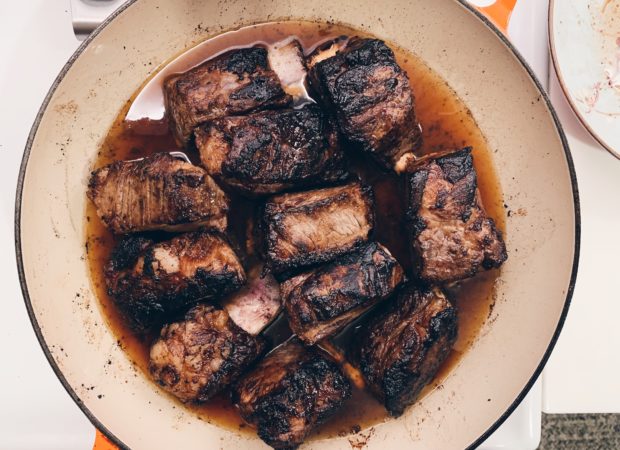
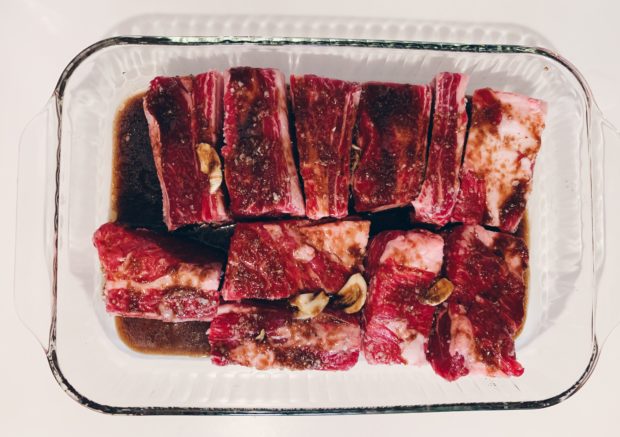
  • For my second Instant Pot test, I stayed with Melissa Clark’s book and chose one of her beef recipes. To me, getting the Instant Pot was to save time, so I wasn’t about to spend 24 hours marinating the beef ribs like I normally would if I mean to braised them. I stopped by Whole Foods after Sunday brunch to buy $25 worth of beef short ribs, rubbed them with the ground coriander and salt and pepper, and just let them sit while I walked Atticus for a few minutes. I started working on the recipe as soon as we returned from our walk.

    It turned out deliciously. I give the Instant Pot high marks on sustaining the flavor. From my experience with a slow cooker, the flavor would always just be on the outside, but inside the meat, it was almost non-existent even if I browned them beforehand. It took only 35 minutes to high pressurize these beef ribs and the depth of flavor was in there as if I actually braised it for 2 hours. So guess who’s becoming more of a fan now?

    Ingredients:
    6 bone-in beef short ribs
    1 leek, white part only, chopped
    2 fennel bulbs, chopped
    1/2 cup pitted prunes, chopped
    1 cup dry red wine
    1 tbsp tomato paste
    4 garlic cloves, minced
    1 tsp coriander seeds, grounded
    red pepper chile flakes
    oil
    salt, pepper

    1. Rub coriander, salt, and pepper all over the beef ribs and let sit at room temperature for a few minutes up to 1 hour.
    2. Using the sauté function of your Instant Pot, add oil and sear the beef until evenly browned on all sides, about 2 minutes per side. Remove to a plate.
    3. Add leeks and fennel, and cook until soft, about 8 minutes, then add garlic, chile powder, and tomato paste; cook for 2 minutes.
    4. Pour in wine. Add prunes and then add beef pieces back. Cover and lock the lid properly. Select the Pressure Cook function for 35 minutes. When it’s done, do a quick release after venting and letting the steam out. Serve on top of a big pasta, like pappardelle.

    Related post/s:
    Join the bandwagon and get your own Instant Pot already!
    Buy Melissa Clark’s Dinner in an Instant: 75 Modern Recipes for Your Pressure Cooker, Multicooker, and Instant Pot

  • I finally fell prey to the most talked about kitchen gadget today: the Instant Pot. God knows that I don’t need any more kitchen-anything, but I received a Williams-Sonoma gift certificate for my birthday and there was nothing else I wanted to spend it on other than something I was curious about but did not want to pay for with my own money. Game over.

    This recipe is from Melissa Clark’s Dinner in an Instant with some of my adjustments. I didn’t want to buy coconut oil, so I skipped that here. I also didn’t get enough tomato pulp after grating 3 large ones and that resulted in the “burn” display on the pot. I had to add some broth to liquify it so I have substituted chopped tomatoes for you to avoid making the same mistake.

    For my first Instant Pot experience, I would give it high marks. I timed my entire process and I was “cooking” for exactly an hour. Now, you still have to use some cooking chops and common sense to repair a dish that burns; no gadget can tell you that because that’s all instinct you learn from years of cooking the basics. You still have to chop your ingredients and sauté aromatics. What the Instant Pot did for me is cook the chicken in the shortest time possible without the scary whistling sound that I grew up with in my parents’ kitchen.

    It was quiet and smooth-sailing after I went through the Getting Started tips recommended in the manual. I would have made this dish stove-top any other day, but it would have taken an extra hour to simmer and make sure the chicken pieces were cooked through. The Instant Pot did not sacrifice the depth of flavor, one important thing that I don’t like about regular slow cookers. The stewing broth that came out in the end was just as flavorful as if I braised it in my Dutch oven.

    Ingredients:
    2 lbs skinless and boneless chicken thighs, cut into pieces
    1 can of coconut milk
    1 medium-sized can of chopped tomatoes
    3 tbsps ghee
    1 large yellow onion, finely chopped
    6 garlic cloves, minced
    a small knob of ginger, peeled, minced
    1 tsp cumin seeds
    1 cinnamon stick
    1 tsp cardamom, ground
    2 tsps coriander, ground
    1 tbsp turmeric
    red pepper flakes
    1 tsp curry powder
    a handful of frozen peas, thawed
    a handful of cilantro, roughly chopped
    salt, pepper

    1. Using the sauté function of your Instant Pot, heat the ghee. Stir in the onions and cook until they are caramelized, about 12 minutes. Stir in the garlic, ginger, and cumin seeds for 2 minutes. Stir in the cinnamon and cardamom and cook for another minute. Then add the coriander, turmeric, curry powder, and red pepper flakes. Add the chopped tomatoes and season with salt and pepper.
    2. Add the chicken pieces to the sauce, and then cover and lock the lid properly. Select the Pressure Cook function for 4 minutes. When it’s done, do a quick release after venting and letting the steam out.
    3. Select the sauté function again and stir in the coconut milk, just enough for the consistency that you want. You don’t want the sauce to be too thick, nor for it to be too soupy. Add the green peas and the cilantro for color and keep stirring for another 2 minutes until the peas are warm and for the flavors to meld. Serve with rice.

    Related post/s:
    Join the bandwagon and get your own Instant Pot already!
    Buy Melissa Clark’s Dinner in an Instant: 75 Modern Recipes for Your Pressure Cooker, Multicooker, and Instant Pot

  • For some reason, I was craving a matcha-flavored bread after I joined the Women’s March’s first anniversary with friends. I knew I’ve tried it before but it wasn’t as spongy as I wanted it to be, so that night, I tried to buy a small tub of plain yogurt in my Harlem neighborhood and refill my stash of matcha. My trip was not completely unsuccessful; I could not find either product separately, but weirdly enough I was able to buy a matcha-flavored yogurt. That was for my first try, so I couldn’t make the swirl patterns required in this recipe. I also was too lazy to use my stand mixer to whisk the egg whites. I worked extra hard to whisk by hand and stopped short of getting those peaks. The result is not as spongey as intended, so I tried a second time.

    For my second try, I bought everything required downtown and I also reluctantly dusted off my KitchenAid mixer to whisk the egg whites properly. The rice flour made such a huge difference in making this cake fluffy, so I would highly recommend you follow this recipe to a T since I’ve already tested it. You won’t regret it.

    Ingredients:
    3 eggs, whites and yolks separated
    1/4 cup caster sugar
    1/2 tbsp honey
    1/2 cup corn oil
    1 small tub of plain yogurt
    1/2 cup cake flour
    1/2 cup rice flour
    1/2 tbsp matcha powder, mix with 2 tbsps hot water into paste
    3 egg whites
    1/3 cup sugar

    1. Preheat oven to 320º. Grease a loaf pan and line with baking paper at the bottom.
    2. In a large bowl, mix egg yolks, caster sugar, and oil together with a hand whisk. Add yogurt and honey and mix well. Sift in plain flour and rice flour, and mix well.
    3. Using your KitchenAid mixer, whisk egg whites until frothy, and gradually add in sugar. Continue to whisk egg whites until peaks form. Fold egg whites gently into the yolk mixture in 3 batches until combined.
    4. Divide batter into 2 bowls. Add matcha paste into one portion of the batter and gently fold well with a rubber spatula.
    5. Spoon plain and matcha batter alternately into prepared loaf pan. Gently shake the loaf pan a little and use a skewer inserted into the batter to create swirl patterns.
    6. Bake for about 30-35 minutes. Leave cake in pan till completely cool before slicing.

    Related post/s:
    My first try baking with matcha

  • It’s been almost two years since I’ve updated this site. I’ve been see-sawing about keeping it up again, mainly because of time commitment. In the past 2 years, I’ve learned how to unplug and take more naps, and I’m just not sure if I want to go back to having multiple personal projects again because taking time for myself and doing almost nothing have been glorious. I’m active on Instagram as @ext212 but lately, I’ve been wanting to write again, even if it’s just finessing a recipe I’ve tested. So let’s just say that maybeee I can ease my way back to writing here again but without being tied to a regular schedule?

    To start again, I wanted to test this recipe from Mark Bittman when the weather got cold again this season. I thought it would be a comforting bowl even if there isn’t any meat involved and I was right. I went for the shortcuts though, using canned beans in water instead of dried, and using a can of chopped tomatoes rather than fresh ones to save time. I gather that this version is not as hearty as originally intended, but a couple of bowls for dinner made me pretty warm inside.

    Ingredients:
    1 cup farro
    1 can of white beans, rinsed, drained
    1 large can of chopped tomatoes with its juice
    chicken stock
    1 onion, sliced
    2 celery stalks, chopped
    2 carrots, chopped
    3 cloves garlic, minced
    a handful parsley, roughly chopped
    Parmesan cheese, grated
    oil, salt, pepper

    1. Put oil in a large Dutch oven over medium heat. Sauté garlic until golden. Add the onions until translucent. Add the celery and carrots with some salt and pepper and cook until onions have softened.
    2. Add farro, the beans, the tomatoes, and the stock. Mix well.
    3. Bring to a boil, then adjust heat to a steady simmer. Cook until farro is tender, at least 15 minutes, adding stock as necessary if mixture becomes too thick. Stir in parsley, mix, then cook another 5 minutes. Taste and adjust seasoning, then serve with lots of Parmesan.

  • This is a Jamie Oliver recipe that requires you to spatchcock your chicken, but I decided to keep it whole and do less work. This increases the cooking time in the oven, so I just made sure the chicken fit snugly in my deep cast iron pan so that I could easily transfer it from the oven to my stovetop to finish. If you are using a regular roasting tray, transfer the chicken to an already-heated frying pan, deep enough to hold it and its juices.

    I marinated the chicken a day just to make sure the flavor set in. If you only have a few hours to do so, try this with smaller chicken pieces. I carved the chicken and served it with some greens and leftover roasted butternut squash.

    Ingredients:
    1 whole chicken, rinsed, pat dry with paper towel
    1 stick of butter
    2 cloves of garlic, chopped
    a knob of ginger, chopped
    1 tsp turmeric, ground
    1/4 tsp cinnamon, ground
    1 lemon, zest separated
    a handful of cilantro, leaves separated from the stems, roughly chopped
    olive oil
    3 tbsps honey
    4 scallions, chopped
    1 fresh green chile, chopped

    1. Make the marinade. Melt the butter in a small pan. In a blender, pulse together the garlic, ginger, turmeric, cinnamon, cilantro stalks, and lemon zest. Squeeze in the juice from half the lemon. Season with salt and pepper and pour in the butter with a tbsp of oil. Keep blitzing until a bit pasty while adding more oil if it’s a little too thick.
    2. Rub this marinade all over the chicken, working it into all the nooks and crannies. If you are marinating in advance, cover the chicken and pop it in the fridge until needed.
    3. When you’re ready to cook the chicken, preheat your oven to 375º. Place the chicken in a deep-enough snug-fitting cast iron pan and spoon over any marinade that may have fallen off. Cover the tray tightly with foil and roast in the oven for 1 hour and 10 minutes. The chicken should be cooked through. Check by piercing the thigh with a sharp knife. If the juice that runs out is clear, you’re okay.
    4. While the chicken is cooking, toss together in a bowl the scallions, chile, and cilantro leaves with the remaining lemon juice. Set aside.
    5. Carefully transfer the chicken from the oven to the stovetop on medium heat. Baste it with any juice from the tray and drizzle it all over with the honey. Cook until the chicken skin is golden. Serve the chicken with the scallion garnish.

  • This is from Jamie Oliver’s Everyday Super Food with a few adjustments. If you’re out of luck and need to use frozen and cooked shrimp, make sure they are completely thawed and dried with paper towels before you mix them in with the marinade. (I’m sorry, by the way.) Leave them soaking longer so that the flavor penetrates.

    Ingredients:
    2 sprigs of fresh rosemary, stripped
    2 cloves of garlic, peeled
    olive oil
    1 tsp smoked paprika
    1 good pinch of saffron
    1 lb shrimp, deveined, peeled, tail-on
    1 orange
    1/2 cup couscous
    1/4 cup peas
    half a bunch of asparagus
    1 zucchini, chopped
    2 scallions, chopped
    1 yellow bell pepper, chopped
    1 red bell pepper, chopped
    1 fresh red chile, seeded, chopped
    3 fresh mint leaves, julienned
    juice of 1 lemon
    2 tbsp plain yogurt
    salt, pepper

    1. Using a mortar, pound the rosemary leaves and the garlic into a paste with a pinch of salt. Muddle in 1 tbsp of oil, the paprika, saffron and a swig of boiling water to make a marinade. Cut the orange in half and toss one half with the shrimp and the marinade. Mix well and set aside until almost ready to serve.
    2. Put all the vegetables in a serving bowl with the lemon juice and the other half of the orange. Season with salt and pepper. Mix well and set aside.
    3. Put the couscous into a bowl and just cover with boiling water, then pop a plate on top and leave to fluff up. Uncover after a 3 minutes and toss with the vegetables.
    4. Put a large non-stick frying pan on a high heat. Add the shrimp, marinade, and orange wedges and cook for up to 5 minutes, or until the shrimp are browned, then arrange on top of the couscous and vegetables. Top with yogurt.

  • There’s several cauliflower pizza recipes out there, but my version doesn’t use tomato sauce because I don’t want my pizza to be soggy. Using one egg binds the ground cauliflower, but not so much that you can actually fold it and eat it like a pizza–you’ll still need a fork to eat this, and perhaps a spoon to scoop everything together.

    What I like about this recipe is how you can play with different toppings. Sure you can use mozzarella instead of Parmesan, but I wanted a hardy cheese that won’t get soupy. I had extra Gruyere in the fridge and so I decided to grate that over the rest of the toppings. Arugula leftovers? Sure! You can also leave this as a vegetarian dish and skip the pepperoni, but where’s the fun in that?

    Ingredients:
    1 head of cauliflower, chopped in smaller pieces
    1 large egg, lightly beaten
    a nice block of Parmesan cheese, grated
    salt, pepper
    non-stick spray
    a smaller block of Gruyere cheese
    2 tomatoes, sliced
    a handful of basil leaves, torn
    a handful of arugula
    pepperoni
    oil

    1. Preheat oven to 425º and line a baking sheet with parchment paper.
    2. Using a food processor, quickly blitz cauliflower florets. Do it in 2 separate batches if necessary. Transfer to a large mixing bowl.
    3. Combine ground cauliflower with the egg, Parmesan cheese, and season with salt and pepper. Lightly mix with a spatula.
    4. Spray the lined baking sheet with non-stick spray and pat the cauliflower mix flat onto it like a rectangular pizza. Spread evenly with the spatula.
    5. Grate the Gruyere over it and top with the rest of the ingredients. Drizzle some oil and bake for up to 18 minutes, or until golden on the edges.

  • Why aren’t you puréeing that corn? Because I want to leave some of them whole for texture. You’ve thought of everything!

    There’s a new man in my life and he’s been quite easy to impress, but I do have to admit that even I was pretty floored with this dish I whipped up after seeing Melissa Clark’s summer corn recipe. We started our meal with a simple caprese salad and then paired this dish with a very dry rosé.

    I didn’t want to buy any new pasta so I ended up using the squid ink pasta I already had. The corn came from the farmer’s market at Columbia University over the weekend, and I shucked and sliced off the kernels from the cobs before sautéeing with garlic and butter. I then puréed it to make a sauce-like consistency.

    The creaminess of the corn was enough to make it so; there is no need for dairy here except for the butter, but feel free to shred some Parmesan cheese over it to give it more of a heft.

    Ingredients:
    a package of squid ink pasta
    oil
    3 cloves garlic, minced
    1 bunch scallions, trimmed and thinly sliced (keep the whites and greens separate)
    salt, pepper
    chile flakes
    3 large ears corn, shucked and kernels sliced off the cobs, about 2 cups
    a small know of butter
    basil leaves, torn
    mint leaves, finely chopped
    fresh lemon juice, as needed

    1. Cook the pasta. Bring a large pot of salted water to a boil. Cook pasta until al dente, drain, reserving some of pasta water, and set aside.
    2. Meanwhile, heat oil in large pan over medium heat. Sauté garlic until golden and add scallion whites. Cook until soft, about 3 minutes, and season with some salt, pepper, and chile flakes.
    3. Add a splash of the pasta water and the corn kernels. Simmer until corn is heated through and almost tender, up to 5 minutes. Transfer all except a handful of corn to a food processor and purée until smooth, adding a little pasta water as needed to get a creamy but pourable texture.
    4. Heat the same skillet with the corn that you didn’t purée over medium-high heat and add the puréed corn. Add butter and stir to melt. Toss in the scallion greens, basil, and mint, adding a splash of pasta water or two to keep it from getting dry. Turn off the heat and add pasta, gently tossing to coat. Serve with lemon slices.

  • A lot of people get weirded out by poached chicken because it looks so unfamiliar, namely not covered in batter and fried. I’m sure there are other cuisines that poach chicken but to me, it’s a very Chinese thing especially when served cold with a sauce. In this case, it’s a Sichuan chile sauce that gives the dish not only color but also body and a little bit of kick.

    Lately I’ve been going through Fuschia Dunlop’s cookbooks because I missed deep Asian flavors during my trial Whole30 meal plan. I learned how to cook Sichuan food and how to appreciate the humble Sichuan peppercorn through her books. I went back to pages I’ve initially bookmarked and this recipe is one is them.

    Ingredients:
    6 chicken thighs
    1 large knob of ginger, peeled, cut in smaller pieces
    2 scallions, chopped
    salt
    sesame seeds, toasted

    For the sauce:
    2 tbsps light soy sauce
    2 tbsps Chinkiang vinegar
    1 tbsp of the chicken stock
    Sichuan chile paste
    a jigger of sesame oil

    1. Place washed chicken thighs in a stock pot and fill with just enough water to cover. Add ginger and bring to a boil, uncovered.
    2. Skim impurities and lower the heat to a medium simmer. Cover and poach for 30 minutes.
    3. Remove the chicken to a shallow bowl using a spider. (Save the broth minus the solids for another recipe.) Rinse with cold water, drain, and break into bite-sized pieces. Toss with some salt and scallions.
    4. Make the sauce to serve. Combine the rest of the ingredients in a small bowl. Add the Sichuan chile paste according to your heat preference. Pour sauce over chicken. Sprinkle with toasted sesame seeds and serve.

  • I miss Asian flavors the most during this Whole30 mess but I’m learning to love salt, pepper, and red chile flakes as marinade and seasoning–as bare as they can get. A squeeze of lemon or lime juice brighten things up before serving and is a good substitute for my Sriracha cravings.

    Ingredients:
    2 chicken breast fillets, patted dry with a paper towel
    1 head of cauliflower, chopped in small florets
    1 bunch of asparagus
    2 large tomatoes, quartered
    olive oil
    salt, pepper
    red chile flakes
    avocado, sliced
    1 egg, fried
    lime juice

    1. Preheat oven at 350º while you prep the chicken and the vegetables. Line a small baking sheet with foil. Put chicken breasts and drizzle with oil and then season with salt, pepper, chile on both sides.
    2. Then line a larger baking sheet with foil and arrange all the vegetables on it. Drizzle with oil and then season with salt, pepper, chile as well.
    3. Roast at the same time: the vegetables for 30 minutes and the chicken for 45 minutes, turning the chicken once or twice while cooking. Slice the chicken in bite-size pieces and cut the asparagus in 3 parts.
    4. Scoop, divide, and arrange everything in serving bowls. Feel free to drizzle more olive oil. Top with avocado and a fried egg. Squeeze a little bit of lime juice for some brightness.