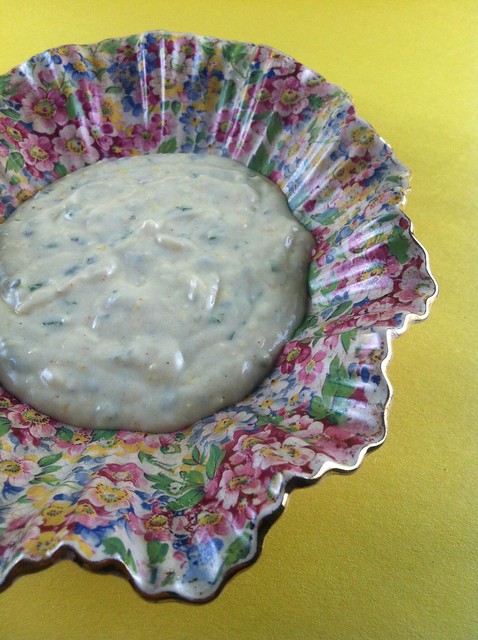
Ajiaco Bogotano, Colombian Chicken and Potato Soup

When I traveled to Colombia a few years ago, I learned that it was soup country. Everywhere we ate, there was always ajiaco or sancocho on the menu, the two soups that easily became my favorites. When I first made my own version of ajiaco, I mistakenly added plantains because I remembered liking them from the sancocho. My version was so comforting then that I used some again when I made it this weekend post-Hurricane Sandy.
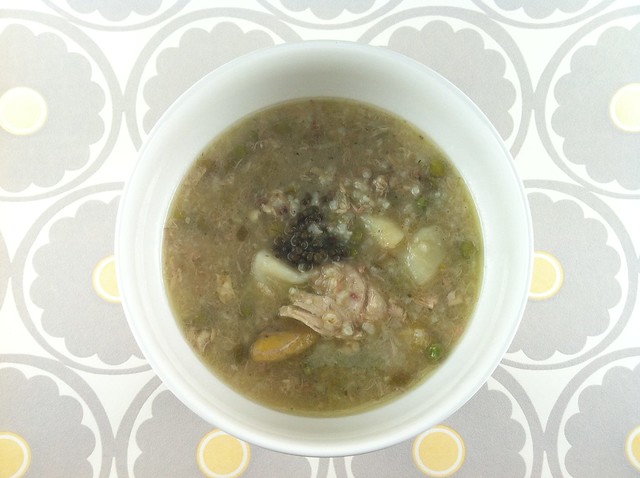
I added arborio rice here as well because I wanted an everything-in-it kind of soup. Feel free to skip it if you don’t want your soup too thick. When I heated up leftovers, I simply scooped a glob of it in a bowl, poured some packaged chicken broth with it and nuked it for about 3 minutes. They key is the capers–they make your second, or third, batch fresh.

Ingredients:
chicken carcass to make chicken broth
salt
1 bunch scallions, roughly chopped
3 garlic cloves, minced
1 bunch cilantro, tied in kitchen twine
3 potatoes, peeled, chopped
1 large plantain, peeled, chopped
2 pieces boneless chicken breasts, chopped
1/2 cup of arborio rice
capers

1. In a large pot, place the chicken carcass with about 12 cups of salted water to make broth. Let boil until the impurities float to the top. Skim them off and let the broth simmer for up to an hour to reduce. Strain the broth to another large container to separate and remove the disintegrated chicken carcass.
2. Return the filtered broth to the pot. Add scallions, garlic, twined cilantro, and potatoes and simmer for another 30 minutes, or until potatoes are tender. Discard the cilantro. Add the plantains, chicken, and rice until cooked through.
3. Ladle soup and distribute the meaty stuff in bowls to serve. Top with a teaspoon of capers.

Four-Chile Chili

I tried this four-chile chili over the weekend when almost everyone I know was either watching sports on TV or playing poker online because of the blustery weather outside. This dish was the right one to coddle and sit on the couch with under a soft throw with the TV on. My sports fan guest loved it so much, he asked to pack the leftovers for lunch the next day.

I already had dried ancho chile at home, but feel free to use the powdered kind. If you still find bigger chunks of chiles and tomatoes during the hour that you’re simmering, take the opportunity to press them against the inside of the pot with the back of a wooden spoon to make sure that they are incorporated well. Feel free to add some more beef stock as well to make sure your chili is not clumpy and dry.

If you double up this recipe, you can freeze them in small batches for up to 2 months and survive the winter.

Ingredients:
olive oil
2 lbs sirloin or chuck, grounded
salt, pepper
1 white onion, coarsely chopped
4 garlic cloves, minced
1 large jalapeƱo chiles, seeded, minced
1 dried ancho chile, coarsely chopped
1 tbsp paprika
half a small can of tomato paste
1 28-ounce can peeled Italian tomatoes, coarsely chopped and juices reserved
1 32-oz beef stock or broth
1 19-ounce can kidney beans, drained and rinsed
1 chipotle chiles in adobo sauce, seeded and minced
1 tbsp dried oregano
a handful cilantro, finely chopped
sour cream

1. Heat the olive oil in a large Dutch oven. Add the ground beef and season with salt and pepper. Stir and cook over moderately high heat until brown. Transfer to a plate and repeat with the remaining meat.
2. Pour off all but a scant of the fat from the pot. Add the onion, garlic and jalapeños and cook over medium-low heat until softened. Add the ancho pepper and paprika and cook over low heat until fragrant. Add the tomato paste and cook, stirring, until the paste starts to brown. Stir in the tomatoes and their juices, the beef stock and the cooked beef plus any accumulated juices. Bring to a simmer over moderately high heat. Reduce the heat to low and simmer for 1 hour, stirring occasionally.
3. Add the kidney beans, chipotles and oregano and simmer for 30 minutes more. Serve the chili in bowls, topped with a sprinkling of cilantro. Pass the sour cream at the table.

Rosemary and Mint-Roasted Lamb Breast with Yogurt Sauce

This recipe came from Sam Sifton in the New York Times. It’s almost the perfect recipe for such an affordable piece of lamb. Even at Whole Foods, 2 racks at about 3 pounds cost $12, probably the least expensive big-ticket item I’ve ever bought there.

As usual, I adjusted the recipe to work for me. I roasted the lamb for 2 hours without checking its internal temperature–the racks were thin enough to gauge by eye if they were cooked. I prodded the meat off the rib bones with a fork. The meat didn’t fall apart but it was quite soft and tasty that I called it done. I left the lamb in the roasting pan with all its juice tented with the foil to let it cool overnight without making it sweat. I only put it back in the fridge when I woke up 7 hours later.

It took another 14 hours before I seared them to serve. I sliced the ribs in half to fit a large frying pan and browned them for about 3 minutes on each side. I skipped the scallion accompaniment from the original recipe and instead served it with a simple mixed greens salad I collected from my garden, but the yogurt sauce was quite good with it.

Ingredients:
For the lamb:
1 head garlic, peeled
2 tbsps salt
1/4 cup olive oil
a few sprigs of fresh rosemary, finely chopped
a handful of fresh mint, finely chopped
black pepper
lamb breast, about 3 lbs

For the yogurt sauce:
1 cup thick Greek-style yogurt
2 tbsps olive oil
2 tbsps lemon juice
4 tsps lemon zest
2 tbsps fresh mint, finely chopped
smoked paprika
salt, pepper

1. Preheat oven to 350º. Using a mortar and pestle, mash the garlic and salt into a paste. Transfer to a bowl with a spatula. Gradually mix in the olive oil. Stir in the herbs and pepper.
2. Fit the lamb into an aluminum foil-lined roasting pan big enough to contain the racks. Smear them thoroughly with the paste, and place ribs-side down in the pan. Cover tightly with foil, and roast for no more than 2.5 hours. Meat should be wobbly but not falling apart. Allow to cool uncovered, then cover again and rest in the refrigerator overnight.
3. The next day, when ready to serve, place a large skillet over medium-high heat. Cut the racks in half to make them fit in the pan at least two at a time. Sear until crispy on both sides, approximately 4 to 6 minutes.
4. In the meantime, prepare the yogurt sauce. Whisk 1 tbsp of olive oil into the yogurt. Then the lemon juice and the zest. Stir in mint and salt. Before serving, drizzle sauce with remaining tablespoon of olive oil and sprinkle with pepper and a pinch of paprika to taste. Whisk one last time before serving in a separate bowl with the lamb.

Orecchiette with Shredded Pork and Greens

This isn’t a recipe for a new dish as much as it is a recipe for leftovers. I had made the Japanese buta no kakuni, or pork belly, two weekends ago and still had leftovers that kept pretty well in the fridge. When it came time for a home-cooked meal this week, I scooped some of the meat up together with the already-coagulated soy-flavored liquid and heated it in a wok before tossing in with some pasta and kailan, or Chinese broccoli. Almost any greens will do, but I prefer the sturdy bitter type. You can substitute shorter penne for the orecchiette, too, if that’s what you have in your pantry.

The sweet soy liquid that cooked down added to the sweetness of the meat and I didn’t have to season it with salt and pepper. Sometimes, the work you put ahead of time pays off much later–and in multiple meals. It’s like orecchiette with sausage and broccoli florets, only by your Asian grandmother.

Ingredients:
4 handfuls of orecchiette pasta
cooked pork belly (see recipe for buta no kakuni below)
a handful of kailan, throughly washed, chopped
red chile flakes

1. Bring a large pot of salty water to boil and cook the pasta until al dente, or about 20 minutes. Drain while reserving some of the pasta cooking water for later.
2. Heat a skillet and reheat the cooked pork belly. Prod the meat gently with a wooden spoon to shred it. Toss in greens and season with red chile flakes. Turn off the heat and add the pasta until well-combined.

Baked Eggplant with Minced Beef

After stopping by her family’s house in Westchester unannounced, Lucy’s father was forced to gather some tomatoes and eggplants from his incredible garden to send me home with some bounty. It’s the kind of garden that I can only dream of. There are rows and rows of different shapes and colors of tomatoes, all happily dangling from pipes meticulously tied together. All shades of aubergines peek from stems covered in fuzz and peppers of all sizes dot the compact landscape. When I was invited to their upstate cabin during Memorial Day weekend, I tasted the vegetables they picked from their garden and all I’ve been wanting to do was see it for myself. How can a small plot of land yield so much love?

Back in my apartment where the second batch of mixed greens I planted are not even making any more effort to grow past an inch, I thought of what to do with all the eggplants. If my father was in town, he would tell me to grill the slender Japanese kinds over the stove and mix with scrambled egg for a Filipino breakfast. But there was one large eggplant that looked good enough to be stuffed, and so I went through my Mediterranean cookbooks to find a recipe that did just that. The original Turkish recipe called for the beef to be baked with the eggplant. I didn’t do that because I didn’t want to dry out the beef and just opted to brown it separately. It all goes down when you serve: the eggplant flesh will be soft enough to scoop up and you top each serving off with the ground beef.

Ingredients:
a large knob of butter
2 lbs ground beef
1 red onion, thinly sliced
1 tomato, sliced
a handful of parsley, roughly chopped
salt
pepper
red chile flakes
1 large eggplant
olive oil

1. Preheat oven to 350º. Cut the eggplant in half and score the insides with multiple slits, both crosswise and lengthwise. Pour and brush some olive oil on the eggplant. Bake for 25 minutes.
2. In the meantime, melt butter and brown ground beef for about 10 minutes in a frying pan. Add the onion, tomato and parsley and cook. Season with salt, pepper and chile.
3. Remove eggplant to a serving plate and soften the cooked insides with a spoon so that you can stuff it with the beef.