Subanik, Guatemalan Stew

Who’s in the kitchen? I asked the bartenders in La Lancha restaurant after only my second meal during my trip to Guatemala. Ezekiel, they said. He’s been the chef here at La Lancha. I wanted Ezekiel to know that I liked what he had been serving the past two days. While traveling Central America, I’ve had the same fried fish, roasted chicken, rice and plantains in every country. There’s nothing wrong with an honest meal, of course, but it was refreshing to eat something traditional that was executed so well. I was checked-in a resort, but the food did not taste like something for a corporate meeting and the menu certainly did not come with the word “fusion” in it.

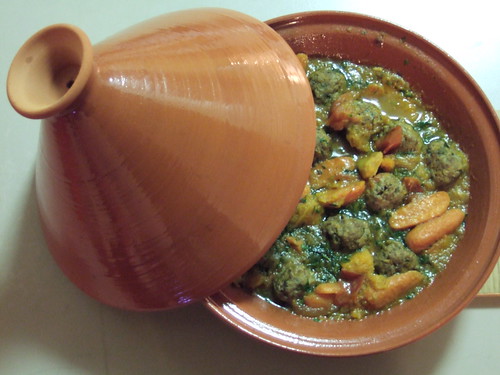
I’ve had Ezekiel’s rolled-up tortilla with ground pork and beef and smothered with tomato salsa. I’ve had his chiles rellenos, or stuffed peppers; his fish fillet with coriander sauce was equally tasty and flavorful. It was during the third night that I ordered what Guatemalans call subanik, also known as “God’s meal” in the La Lancha menu, simply because it is a bowl of everything. It was the perfect bowl of hot reddish-orange broth, made better with the rice I mixed in. I couldn’t help but order it again for my last night’s dinner.

When I checked out of my room the next morning, the man himself, Ezekiel, stepped out of the kitchen with the recipe written on a piece of paper. I translated his notes out loud to make sure I understood and he showed me how the peppers that are crucial to the subanik broth look like. He showed me a large dried black pepper and a skinnier one that was dark red. They looked familiar to me because I have seen them in the Spanish aisle of my neighborhood supermarket. I couldn’t wait to buy them and try the recipe at home.

Back in New York, I found and bought guaque and ancho chiles in $1.50 packets. Guaque chiles are larger than jalapeños but have the same level of spiciness. Poblano chiles are slightly spicier than bell peppers and become the more familiar ancho, or wide, when dried because of its new shape. I had some leftover dried pimento peppers in the cupboard, so I decided that adding a third variety can’t hurt. They key to subanik broth is to simmer the chiles with tomatoes and tomatillos, those green tomatoes that come with an onion-paper skin. Toasted sesame and pumpkin seeds only add to the smoky flavor of the soup.

Feel free to add almost anything to your version. For my first, I used chicken and leftover turkey meat and skipped the vegetables. For my second, I skipped the meats entirely and just added the vegetables towards the end. I’ve tried both kaffir and mint leaves and found either worked well, as long as you have fresh lime juice to serve.

Ingredients:
2 dried ancho chiles
2 dried guaque chiles
2 dried pimento peppers
4 tomatillos
5 red tomatoes
1 tbsp sesame seeds, toasted
1 tbsp pumpkin seeds, toasted
1 zucchini, chopped
1 carrot, chopped
2 stalks of celery, chopped
2 pieces of chicken breast, sliced in small chunks
1 cup of stewing beef chunks
1 cup rice
fresh lime juice
half a bunch of cilantro leaves
mint leaves
salt

1. In a large Dutch oven, boil 10 cups of water with the chiles and the tomatoes. When the water boils, turn the heat down to a medium simmer. Add the cilantro, mint leaves, sesame and pumpkin seeds and cook for about an hour, uncovered. The tomatoes will swell and eventually soften. Gently smash them with the back of a spatula. The broth will be almost black when it’s ready.
2. Using a slotted spoon, scoop the chiles and tomatoes into a food processor and purée. Strain the remaining broth to another container to remove the chile seeds. Return the strained broth and the purée to the Dutch oven and continue to simmer.
3. Add the rice to the tomato-chile broth. Stir occasionally to cook the rice. After about 10 minutes, add the carrots, celery and chicken. When the vegetables are halfway done, add the beef and the zucchini. Cook until zucchini is tender. Ladle into bowls and serve with a squirt of lime juice and a sprinkle of sesame seeds.

Related post/s:
Another travel-inspired recipe using dried pimento peppers
Guatemala travel stories

Risotto Taleggio Cakes

As with my other worldly possessions, I get obsessed with kitchen and food-related items until I run them down. With Nigel Slater’s cookbook, I’ve marked a lot of the photos with scraps of paper to remind myself that there is another recipe that I must try. One of the best photographed dishes in the book is of the taleggio and parsley cake on page 366. I’ve been using taleggio lately–what with the grilled press I picked up on a whim–and wanted to continue before the smell of autumn turns into the smell of winter without warning.

I’ve changed the name of this dish because I also cooked my first-ever risotto. I didn’t have white wine in stock, so I used Japanese sake instead. I’m not quite sure if I made the risotto Lisa’s Italian father would approve of, but it was perfectly fluffy for these cakes. I couldn’t believe how presentable they looked after the small effort I put into making and frying them. I would love to make smaller versions for the next dinner party I throw.

Ingredients:
1/4 pound of taleggio cheese, sliced, rind discarded
a handful of parsley leaves, roughly chopped
a small block of Parmesan cheese, grated

For the risotto:
2 cups arborio rice
1 cup sake
chicken broth
1 small white onion, roughly chopped
1 tbsp butter
oil

1. Make the risotto. Sauté onions in olive oil and butter. Add rice and stir with a spatula. Add sake, 1/2 cup of the chicken stock and salt. Keep stirring. Cook until all liquid is absorbed. Continue to add stock in 3/4 cup increments and cook until each successive batch has been absorbed, stirring constantly until rice mixture is creamy and al dente.
2. Mix in parsley leaves and cheese when risotto is cool enough to handle. Scoop out a spoonful, pat a chunk of taleggio cheese on it, and then pack it in with another spoonful of risotto, making a small ball.
3. Using a large skillet, heat some butter and oil. Fry risotto cakes over medium heat. Using a heat-resistant spatula and a large spoon for support, gently turn over to cook the other side.

Related post/s:
Buy Nigel Slater’s The Kitchen Diaries and turn to page 366
Taleggio and my grill press
Maybe I’ll make Lisa’s father proud after all

Spiced Cream Chicken

I really think I must have been either an Indian or a Middle Eastern girl in one of my past lives because it’s quite insane how I crave curry several times a month. I just made a wonderful tagine last week, so I wasn’t really in the mood to be in the kitchen for too long. I wanted to make a small and easy dish that didn’t take too much time but still involved my favorite spices. Nigel Slater sautéed some chicken thighs with some fennel. I copied his recipe, but I made use of the baby bok choy in the fridge.

Ingredients:
6 chicken thighs
1 pound baby bok choy, thoroughly washed
1 cup heavy cream
a handful of cilantro, roughly chopped
4 green cardamom pods, minus the husks
1 tsp turmeric
1 tsp cumin seeds
1/2 tsp chili powder
1 tbsp whole-grain mustard
3 cloves of garlic, minced
peanut oil
salt, pepper

1. Rub the chicken thighs with salt and pepper and brown them in some hot peanut oil using a large skillet. They should take at least 25 minutes over medium heat.
2. While chicken is cooking, make the spiced paste. Using a mortar and pestle, crush the cardamom seeds and the cumin. Add the turmeric, the chili and the garlic, and continue crushing, mixing in the mustard and some peanut oil as you go.
3. Remove the chicken thighs from the skillet when golden brown. Reduce heat to low and spoon out the oil and add the spiced paste to the skillet. Using a heat-resistant spatula, scrape off the chicken bits from the bottom of the skillet and mix them in with the paste. After a minute, remove the skillet from the heat to keep the paste from burning and add the heavy cream. Return the chicken and add the baby bok choy, plus the cilantro. Cover and let the steam cook the greens for about 5 minutes.

Related post/s:
One of my favorite yellow curry dishes
Awesome with cauliflower pilaf

Autumn Tagine with Meatballs and Squash

I asked my parents if ever a balloon popped in my face when I was a kid. I like balloons just fine, but the possibility that one would pop makes me wince. I had the same reaction when I started to use the tagine cooker I bought in Tunisia. (Don’t get me started with a pressure cooker!) The potter told me that because there’s a pinhole on the top of the cover, that it’s safe to put on top of a stove. Because it’s also not decorated and had already been fired, it would be all right to use as both a cooker and a serving bowl. To make sure, though, I first boiled some hot water in it with a small drop of oil. There was no popping–I stayed far away from the kitchen–and the water didn’t turn blue or anything, so I deemed it safe to use.

Today was the first day it felt truly like autumn and I wanted something comforting for dinner. This recipe takes a lot of prep work, so it’s advisable to make the meatballs and roast the squash ahead of time. The end product, though, is totally worth all the time you put in.

Ingredients:
1 butternut squash, halved
1 large carrot, peeled, chopped
1 red onion, finely chopped
3 cloves garlic, minced
2 tbsps cumin
2 tbsps cinnamon powder
5 saffron threads, soaked in 2 tbsps hot water
a handful of parsley, roughly chopped
juice from a small lemon
2 cups chicken stock

For the lamb meatballs:
1 pound of ground lamb
1/4 cup of cilantro, finely chopped
1 red onion, finely chopped
3 cloves garlic, minced
2 tbsp cumin, grounded
1 tbsp paprika
salt, pepper

1. Preheat oven to 350º. Season butternut squash halves with salt and pepper and drizzled some olive oil on them. Roast for about 45 minutes, or until squash meat is tender. Set aside and let cool. When squash is cool enough to handle, score and scoop out the meat into big chunks.
2. In the meantime, make meatballs by forming golf-sized balls with your hands. Brown meatballs by frying them in a skillet with hot oil. Set aside.
3. In a tagine cooker, or a large Dutch oven, sauté garlic and onions. Add carrots, chicken stock, cumin, cinnamon and saffron. Cover and cook carrots until tender. Add browned meatballs and roasted squash. Cover to cook for another 5 minutes. Season with salt and pepper. Mix in lemon juice and parsley. Turn off the heat and keep the cooker covered until ready to serve. Serve with couscous.

Related post/s:
You can make the meatballs ahead of time
Or make a kofta tagine
Not everyone needs a tagine, but it sure is nice to have

Preserved Spiced Pears

My mother doesn’t like the smell of cloves nor anise. When I use them, she never fails to tell me that they remind her of the dentist office. I’m not exactly sure what smell she’s referring to, but to me, the combination of cloves, anise and cinnamon, smell like the forest after a good amount of rainfall. Plus, I really like my dentist.

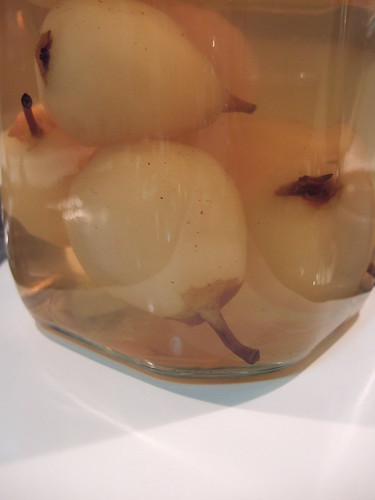
It had been raining the entire morning–so much for peak autumn season–so all I wanted was to stay home and cook something that would cheer up the kitchen. When I saw Seckel pears at the farmers’ market in Cold Spring, I bought a couple of pounds thinking of that smell.

Of all commercially-grown pears, Seckel pears are the smallest. I love them for their size and they look good preserved in a glass jar. I think preserved spiced pears are good with heartier dishes like goose, lamb and rabbit; the pears’ syrupy juice a nice complement to gamey meat and crusty bread.

Ingredients:
1 pound Seckel pears, peeled, stems intact
2 sticks of cinnamon
2 whole star anise
4 cloves
1 cup white sugar
3 cups of water, or enough to cover

1. Place pears in a saucepan and cover with water. Add the spices, uncovered, and bring to a boil. Reduce the heat and simmer covered until they’re tender when pierced with a fork.
2. Allow them to cool in the syrup and then transfer to an airtight container and refrigerate.

Related post/s:
Me and pickling
Use your pears, but do less work