
Mloukhiya, Tunisian Beef Stew

My new thing lately is buying cookbooks when I travel. My latest is a Tunisian cookbook with all of its recipes written in French. The Internet was very helpful when it came to figuring out what I needed to do to make it edible. It wasn’t just the pretty food photographs that made me buy it, but this mloukhiya recipe. When the Dr. and I were traveling in Tunisia and scouring the food markets, one of the least familiar spice we saw for sale was that of the corète of Japan. Whenever we asked the seller, they told us it was powdered spinach because of its color. A trip to the grocery store in Carthage solved the mystery. I went to the spice aisle and picked a packet up with an English translation of its contents.
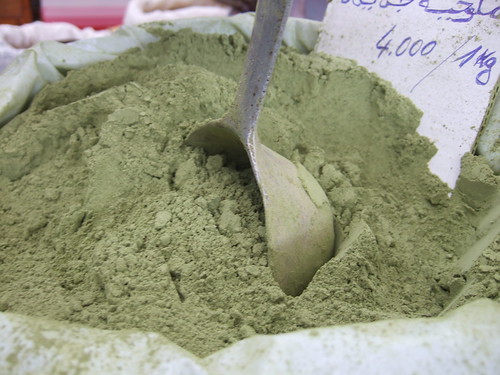
I later found out–happily, too–that the mloukhiya plant is what we Filipinos call saluyot because the English name of the plant translated to corchorus. This recipe is a beef stew using the powdered leaves simmered for a long time until it is thick and almost black. You know it’s done when it has the consistency of stewed okra. My father is Ilocano, but I don’t remember ever eating, or liking, saluyot. I may have to revisit those childhood memories.

Mloukhiya is generally prepared to celebrate Eid al-Fitr, the Festival of Fast-Breaking, or the end of Ramadan. Because I’ve inundated you with Tunisian stories for the past two weeks, I just thought it was appropriate to publish this recipe today. I still have to check out the African store in my neighborhood to see if they sell the spice.

Ingredients:
1 1/2 pounds of beef chunks
1 large onion, quartered
1 packet of powdered mloukhiya
3 cloves of garlic, minced
3 bay leaves
3 sprigs of mint leaves, leave some for garnish
chili flakes
salt, pepper, oil

1. Season the beef chunks with salt and pepper. Cover and refrigerate until ready to use.
2. In the meantime, in a large Dutch oven, add the mloukhiya in 8 cups of water and some olive oil. Slowly stir with a heat-resistant spatula until the powder is fully-mixed in. Use the spatula to keep the mloukhiya from sticking to the sides of the pot.
3. When the mixture takes the consistency of a thick cream, bring to a boil, uncovered, and then lower the heat and simmer, covered. Stir occasionally and pour in a little water from time to time in order to maintain its initial volume.
4. Add the beef chunks with the rest of the ingredients and continue to simmer for about 2 hours, or until beef is cooked through. Season with salt, pepper and chili flakes.

Related post/s:
Tunisian spices and produce photos on Flickr
All Tunisian posts are in one place

Smoked Salmon with Watercress

Got some smoked salmon? This is one of my favorite appetizers to serve while I prepare the rest of our dinner. Served with a glass of white wine, it will keep the hungry from bothering you in the kitchen.

Ingredients:
smoked salmon
1 bunch of watercress, washed throughly, torn in smaller pieces
2 garlic cloves, minced
1 shallot, finely chopped
a splash of red wine vinegar
olive oil, salt, pepper

1. In a small bowl, whisk together the red wine vinegar and olive oil. Add garlic and shallots and season with salt and pepper.
2. To serve, arrange salmon slices on a plate. Top with watercress pieces. Drizzle with the oil-vinegar dressing.

Potato Gratin

What to do with potatoes before leaving for vacation? I always feel bad when there’s still a lot of produce in the kitchen before I go away. I hate wasting food and I wanted to use the herbs I also had sitting on the counter. I was too busy packing, so I wanted to cook something that would take little prep time and attention. This potato gratin is, of course, incomplete without a medium-rare steak and French onion soup, but let’s just say I did this to practice for a bistro meal come winter.

Ingredients:
2 large potatoes, peeled and sliced paper-thin
1 cup heavy cream
1 cup Parmigiano-Reggiano, grated
2 garlic cloves, minced
3 sprigs fresh thyme
some fresh chives, chopped, plus more for garnish
salt, pepper

1. Preheat the oven to 375º. In a large bowl combine all the ingredients, tossing to coat. Season with salt and pepper.
2. Put the potato mixture into a deep baking dish and arrange by flattening out with a spatula. Bake for 40 minutes, until the potatoes are tender and the gratin is bubbly. Set aside for 10 minutes before serving. Garnish with remaining chives.

Related post/s:
How about a nice steak with that?

Eggplant with Minced Pork Sauté

I was craving Chinese take-out for some reason–the bad, oily and saucy kind–and so my mouth watered when I read this recipe in the Sunday Times. I bought a large eggplant on my way home because our neighborhood supermarket doesn’t carry the small and thinner Asian kind. The large ones have darker and tougher purple skin, so I took more time simmering them here. As usual, I followed Harold McGee and salted the eggplant pieces after I sliced them. This draws out the moisture and collapses their spongy texture, so they don’t absorb all the oil when sauteing.

I realized I ran out of soy sauce when I was ready to make the sauce. I ended up using the kecap sambal in our pantry instead. It’s made of soy beans but also includes relish. I also used the last dollop of kochujang sauce I had in the fridge. Looks like I need to make a trip to Chinatown soon and restock my Asian pantry.

Ingredients:
1 large eggplant, cut into smaller chunks
some ground pork
1 tbsp kecap sambal
1 1/2 tsps sugar
1 tbsp cornstarch
1 tbsp kochujang sauce
2 stalks of scallions, finely chopped
2 garlic cloves, minced
peanut oil
salt

1. Place the eggplant chunks in a large bowl. Sprinkle with salt and toss. Set aside.
2. In a small bowl, whisk together the kecap sambal, sugar, kochujang sauce and cornstarch until the cornstarch dissolves. Set aside.
3. In a large wok, heat some of the peanut oil over high heat. Sauté garlic until golden brown. Add scallions and cook until soft. Add the pork and cook, stirring, until no longer pink, about 2 minutes. Using a slotted spoon, transfer the pork to a plate.
4. Dab eggplant dry with paper towels. In the wok, heat some more oil over medium high until it just starts to smoke. Add the eggplant, and sauté until lightly browned and tender, about 10 minutes. Add the sauce mixture. Cook, stirring, for about 1 minute. Once the sauce thickens, add the pork back and 3/4 cup water. Bring to a boil, and then reduce to a simmer until the sauce thickens and the eggplant is tender, about 25 minutes, stirring occasionally. Season to taste with salt.

Related post/s:
Italian cianbotta also uses eggplants
You can get the kecap sambal and kochujang sauce from Asia Food Market in Chinatown

Baby Back Ribs Adobo

In Memories of Philippine Kitchens, Amy Besa and Romy Dorotan say that if you have to master a Filipino recipe, it has to be adobo. Adobo in Spanish-speaking countries refers to the oil, garlic and vinegar flavor. Each country has added its own touch to it, whether they be black peppercorns, marjoram or bay leaves, but if you ask a non-Filipino about a Filipino food they’ve tried and liked, adobo is most likely their answer.

It’s hard to get my father to teach me how he cooks his own version, since he cooks by tasting the dish until it’s just right. When Dexter and Jaime gave me a copy of the new book from the Cendrillon founders, I tried their baby back ribs recipe. I’ve cooked adobo before, but I have to say that they got it right in terms of measurements–all I had to do was double everything to feed four people a couple of servings apiece. I’m going to use this recipe as my own from now on.

Ingredients:
3 racks of baby back ribs, about 4 pounds
2 cups white vinegar
2 tbsp soy sauce
8 garlic cloves, minced
6 bay leaves
2 tsps black peppercorns
1 tsp red chili flakes
2 tsps rock salt

1. Using a mortar and pestle, crush the garlic and the peppercorns until they are coarsely grounded. Rub the ribs with salt, and then with the garlic and peppercorns mixture.
2. In a Dutch oven, mix vinegar, soy sauce, chili flakes and bay leaves using a wooden spoon. Add the ribs and marinate overnight, turning the ribs at least once so that the other side also gets some of the flavor.
3. When ready to cook, put Dutch oven over medium fire, uncovered, and let boil. Then reduce heat, cover and simmer for 1 hour to cook the ribs. Remove ribs to a baking dish when done. Reduce the sauce by increasing the heat and cooking it, uncovered, for about 10 minutes or until the sauce has somewhat thickened.
4. Broil the ribs for about 8 minutes, enough to give the top part a crust. Transfer to a plate and pour over the reduced sauce. Serve with steaming white rice.

Related post/s:
The baby back ribs at Bayard Meat Market cost me $16 for 4 pounds